Phone:
(86)138-1388-1779
Physical address:
6296 Donnelly Plaza
Ratkeville, Bahamas.

Phone:
(86)138-1388-1779
Physical address:
6296 Donnelly Plaza
Ratkeville, Bahamas.
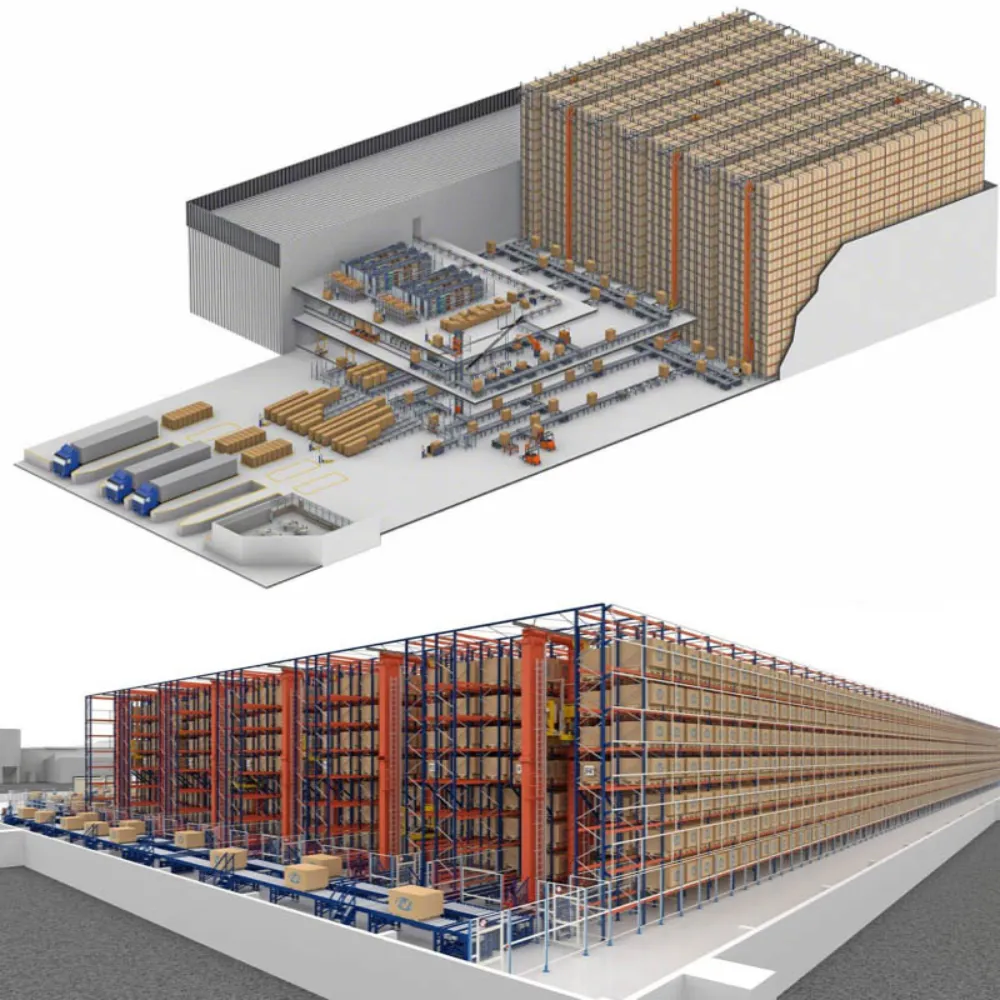
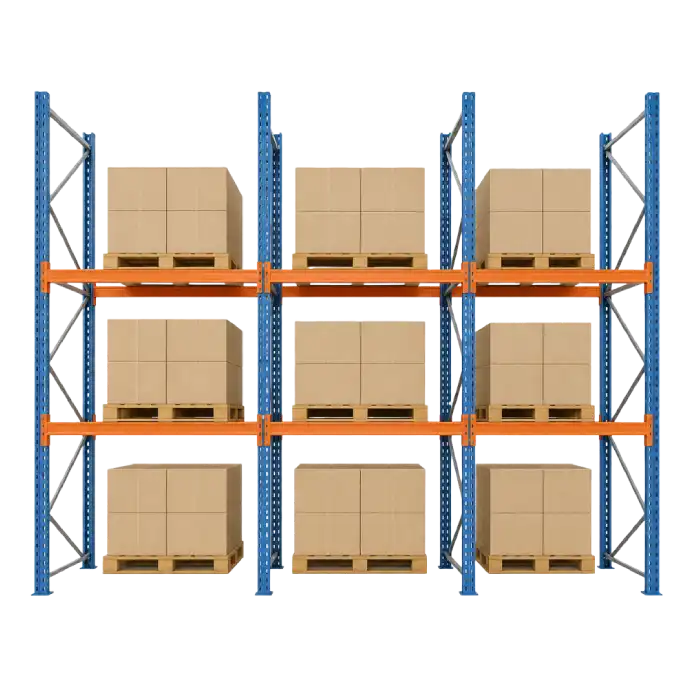
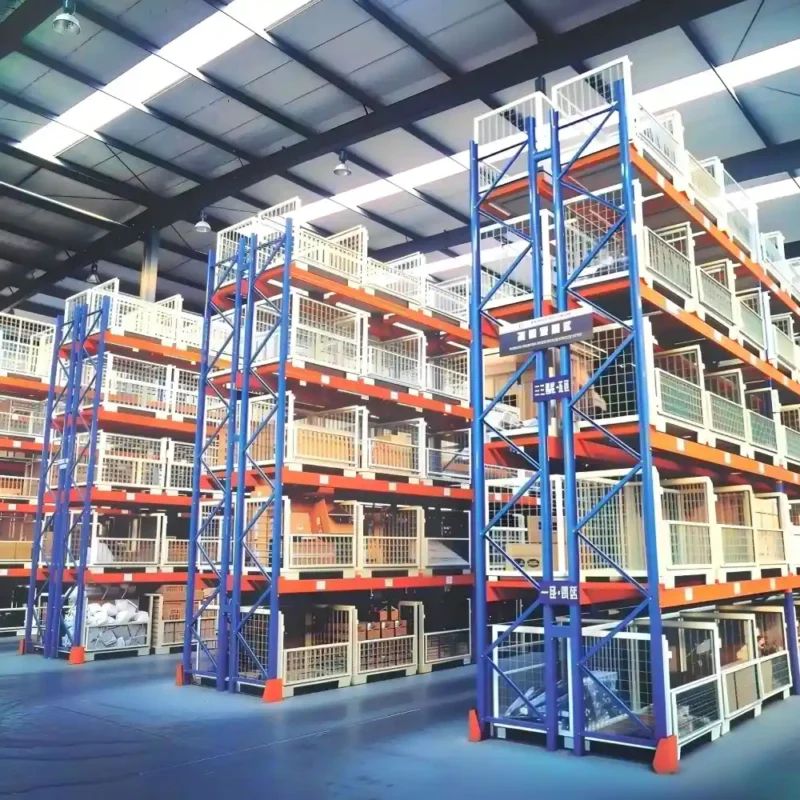
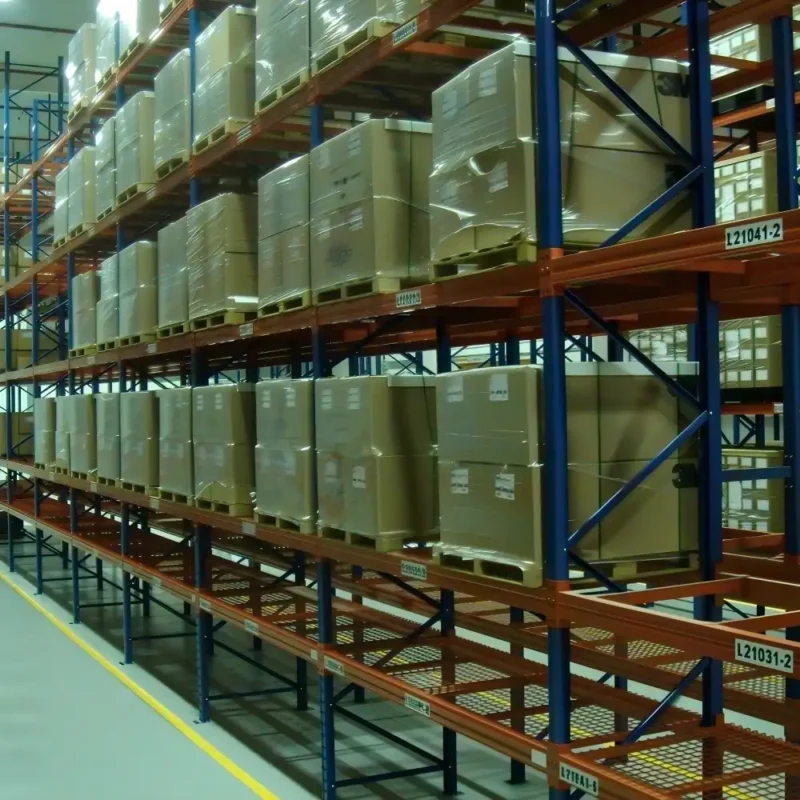
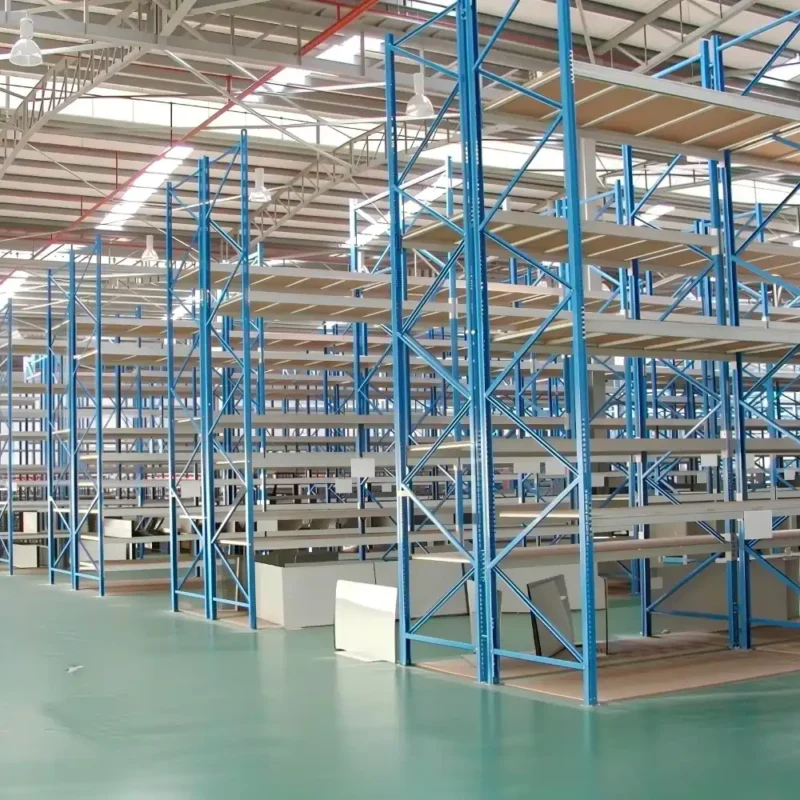
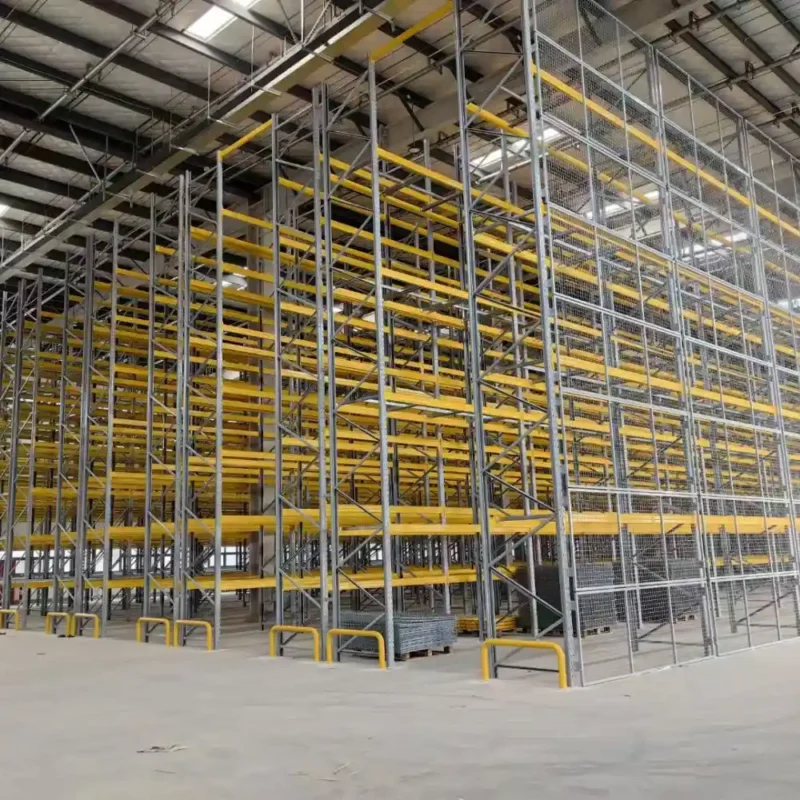
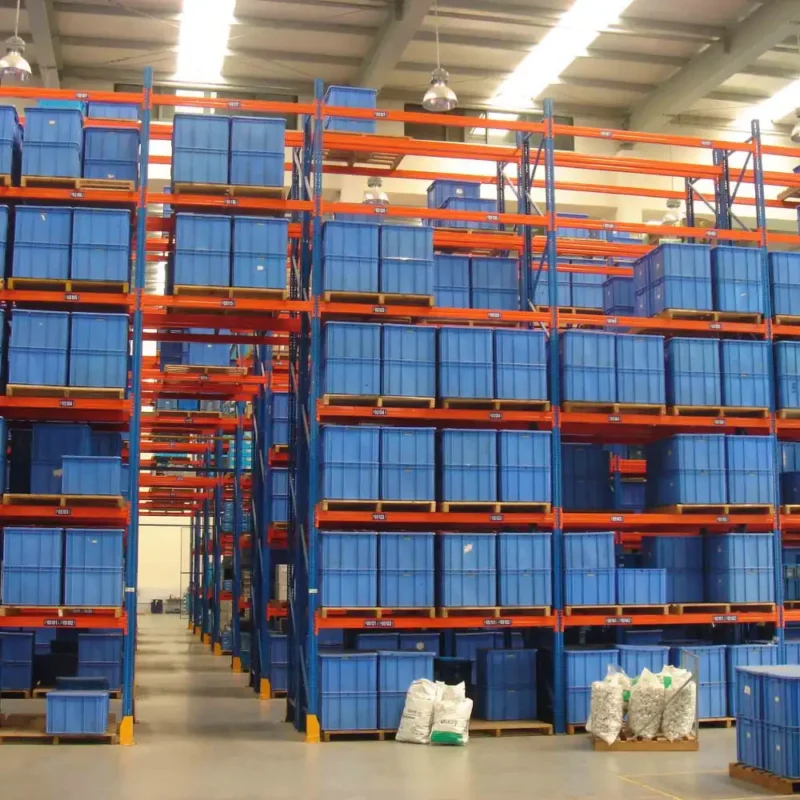
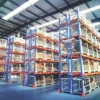
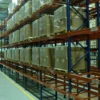
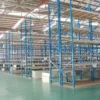
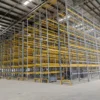
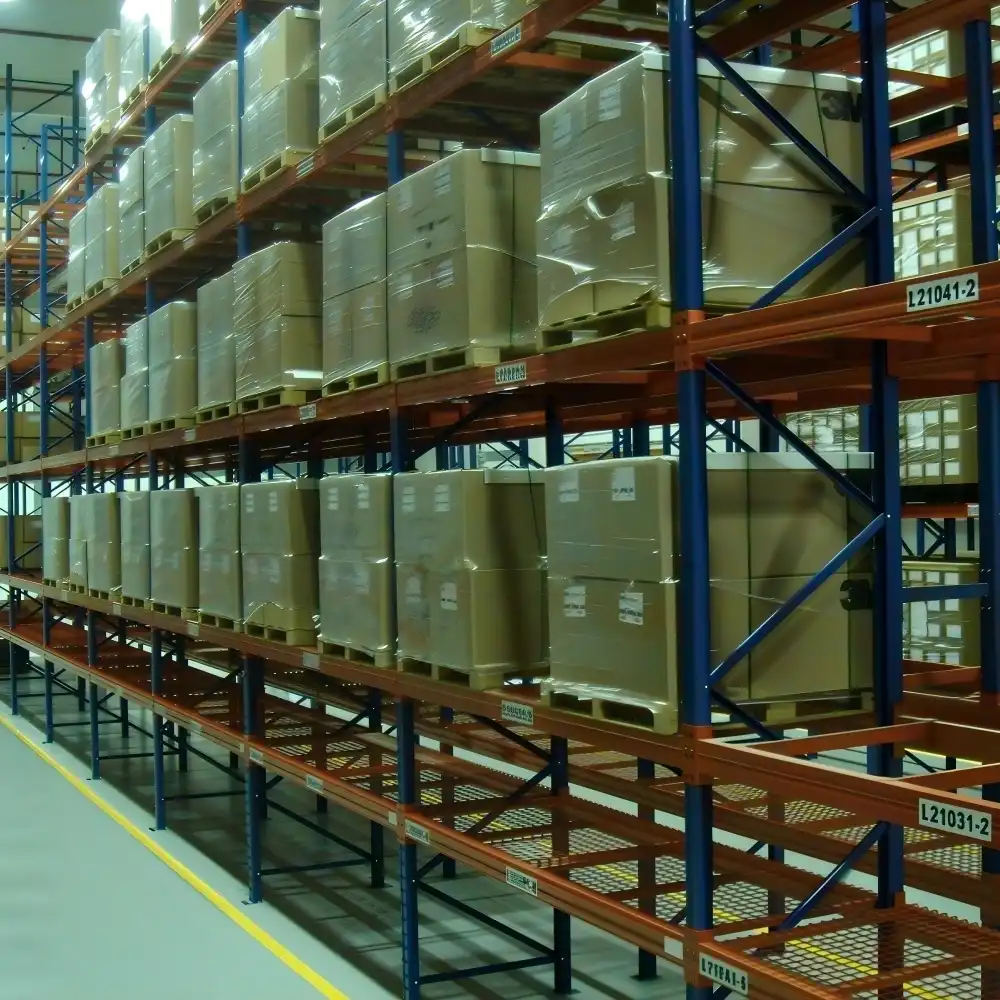
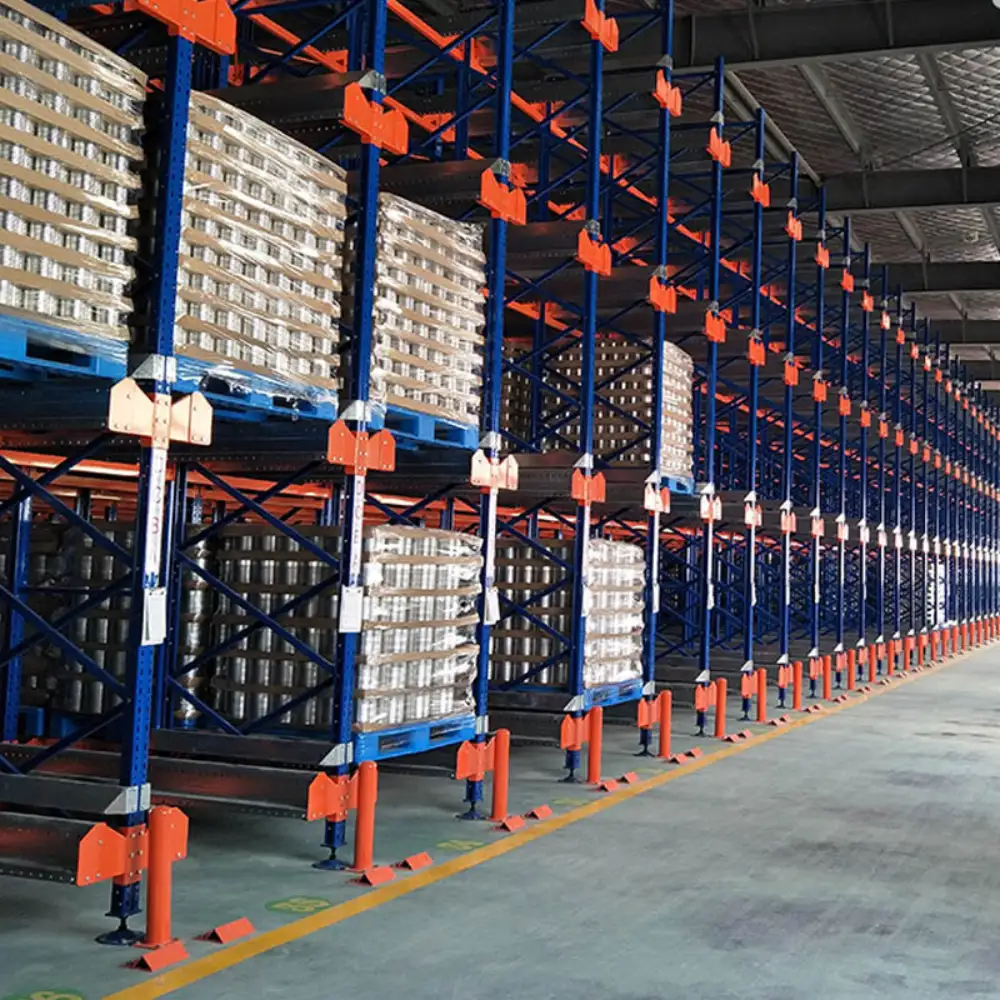
Warehouse pallet racking can suitable for forklift working.
There are two kinds of aisles can be chosen, One is normal aisle about 3000mm;
The other one is about 1700mm which require special forklift to fetch.
From distribution centers and manufacturing warehouses to cold storage and e-commerce facilities, this modular racking solution helps improve space use, picking efficiency, and day-to-day warehouse organization.
The following specifications are typical ranges for selective pallet racking. Final design depends on pallet size, load weight, aisle width, warehouse height, and safety requirements.
| Item | Specification / Description | Notes |
|---|---|---|
| Rack Type | Warehouse Pallet Racking | Standard or custom |
| Applicable Pallets | 1200×1000 mm, 1100×1100 mm, 1200×1200 mm, etc. | Single-side or double-side pallets |
| Load Capacity per Pallet Position | 500 kg to 5000 kg | Safety factor ≥ 1.65 |
| Storage Levels | 2-12 levels (According to customers’ requirement) | Beam pitch: 50 mm / 75 mm |
| Rack Height | 2000mm~20mmm+ (According to customers’ requirement) | Based on warehouse clear height and forklift reach |
| Beam Length | 2300 mm / 2500 mm / 2700 mm / 3300 mm | Supports 2 to 3 pallets per level |
| Upright Size | 80×60, 90×70, 100×95, 120×95 mm | Cold-formed perforated steel section |
| Beam Profile | 50×80, 50×100, 50×120, 50×140, 50×160 mm | P-beam or box beam |
| Surface Finish | Powder coating / Hot-dip galvanizing | Standard blue and orange, custom colors available |
| Safety Accessories | Safety pins, beam locks, anchor bolts | Optional foot guards and anti-collision guards |
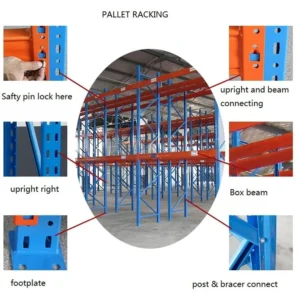
| Cold-formed upright frames: Made from Q235B or Q355 steel, with excellent bending resistance and structural stability. Butterfly hole design: Enables secure beam connection without bolts, improving assembly speed and reliability. Reinforced ribs: Help prevent twisting and deformation under lateral impact. | Beam structure: P-beam or box beam design provides balanced loading and low deflection. Safety lock system: Beam hooks include safety pins to reduce accidental disengagement. Welding quality: Full CO2 protected welding ensures strong and consistent joints. |
 | |
| Surface treatment: Nine-stage pretreatment supports strong coating adhesion and corrosion resistance. Powder coating: Eco-friendly epoxy powder is cured at high temperature for a durable and attractive finish. | 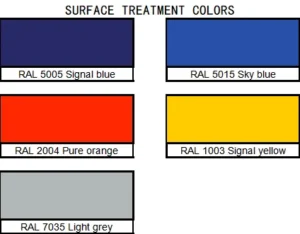 |
Key Features
Typical Applications
Warehouse pallet racking is one of the most widely used storage systems in modern warehouses. Below are answers to common questions about warehouse pallet racking, load capacity, customization options, applications, and installation requirements.
Warehouse pallet racking is a storage system designed to store palletized goods efficiently while maximizing warehouse space and accessibility.
It is one of the most commonly used warehouse storage solutions in logistics centers, manufacturing plants, e-commerce fulfillment facilities, and retail distribution centers. By utilizing vertical storage space, pallet racking systems help businesses increase storage capacity, improve inventory organization, and streamline warehouse operations.
Warehouse pallet racking improves storage density, increases inventory accessibility, enhances operational efficiency, and optimizes warehouse space utilization.
Compared with floor stacking, pallet racking provides better inventory control, safer material handling, and easier access to stored products. It also supports future warehouse expansion and can be adapted to different inventory management strategies.
Load capacity depends on rack design and beam specifications, typically ranging from hundreds of kilograms to several tons per level.
The actual capacity is determined by upright dimensions, beam length, steel thickness, and pallet configuration. Funya Racking engineers each system according to project-specific load requirements to ensure safety and long-term reliability.
Yes. Warehouse pallet racking systems can be customized according to warehouse dimensions, pallet sizes, and load requirements.
Customization options include rack height, aisle width, beam configuration, load capacity, surface treatment, and integration with forklifts or automated storage systems. This allows businesses to maximize warehouse efficiency while meeting operational goals.
Warehouse pallet racking is widely used in logistics, e-commerce, manufacturing, retail distribution centers, food storage, and industrial warehouses.
Additional applications include cold storage facilities, automotive parts warehouses, pharmaceutical distribution centers, FMCG logistics hubs, and third-party logistics (3PL) operations. These industries rely on pallet racking systems to improve storage efficiency and inventory management.
With proper maintenance and inspections, high-quality warehouse pallet racking can last more than 15 years.
Routine inspections, proper load management, and compliance with safety standards can significantly extend service life. Durable powder-coated steel construction helps resist corrosion and wear in demanding warehouse environments.
Warehouse pallet racking dimensions vary depending on pallet size, warehouse height, and storage requirements. Common upright heights range from 2 to 12 meters or more.
Beam lengths and rack depths are customized according to pallet dimensions and handling equipment. Most systems are engineered to maximize available warehouse space while maintaining safe operating clearances.
Most pallet racking systems are compatible with counterbalance forklifts, reach trucks, and VNA forklifts, depending on aisle width and rack configuration.
The forklift selection influences rack layout, aisle dimensions, and storage density. Proper system design ensures efficient material handling while minimizing operational costs.
Yes. Warehouse pallet racking can be designed for cold storage environments using appropriate steel materials and protective surface treatments.
Cold storage facilities often require corrosion-resistant finishes and structural designs that can withstand low-temperature operating conditions while maintaining long-term performance.
Warehouse pallet racking is assembled using uprights, beams, and accessories, then anchored securely to the warehouse floor according to engineering specifications.
Professional installation helps ensure structural stability, load safety, and compliance with warehouse safety regulations. Installation may also include rack protection systems and safety accessories.
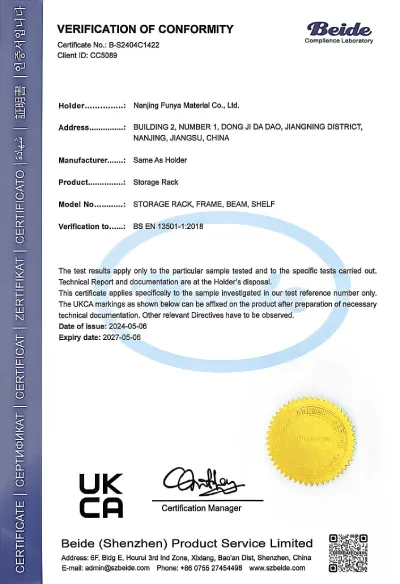
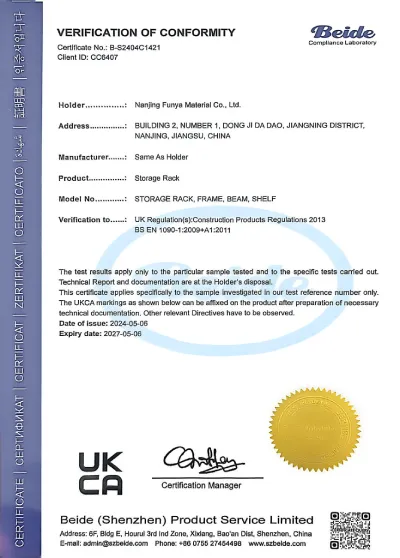
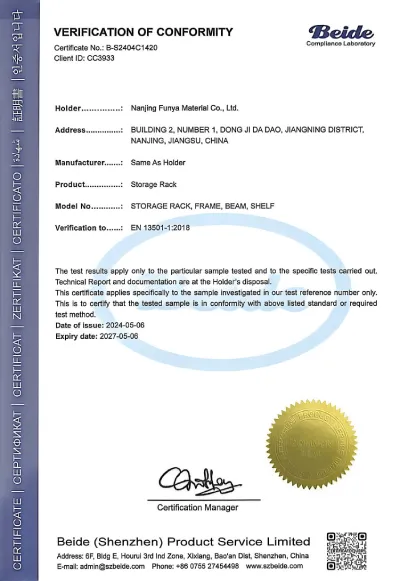
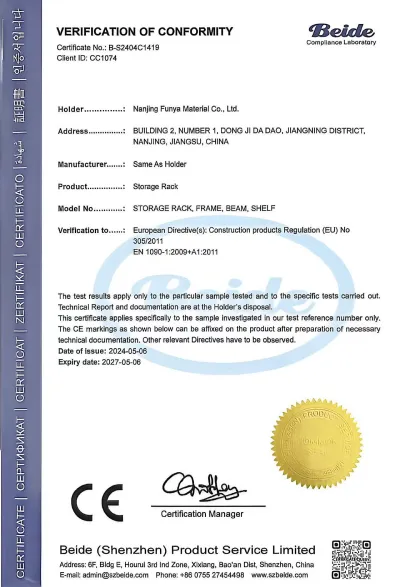
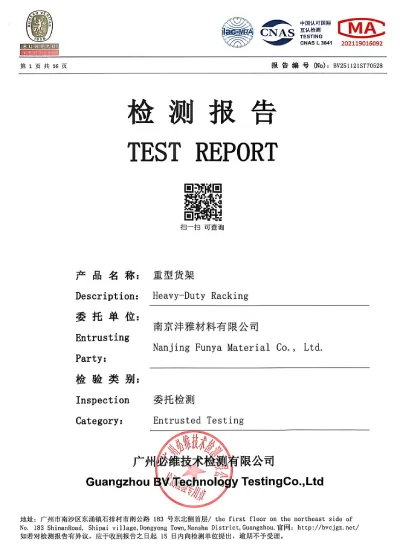
Warehouse pallet racking should comply with applicable industry standards, load capacity requirements, and safety regulations to ensure reliable operation.
Regular inspections, proper load distribution, and employee training are important factors in maintaining a safe warehouse environment and reducing operational risks.
The cost of warehouse pallet racking depends on rack dimensions, load capacity, warehouse layout, material specifications, and project requirements.
Because every warehouse project is unique, customized quotations are typically provided after evaluating storage requirements, warehouse dimensions, and operational objectives.