Phone:
(86)138-1388-1779
Physical address:
6296 Donnelly Plaza
Ratkeville, Bahamas.

Phone:
(86)138-1388-1779
Physical address:
6296 Donnelly Plaza
Ratkeville, Bahamas.
In warehouses, workshops, and logistics centers, a good trolley can replace half a worker.
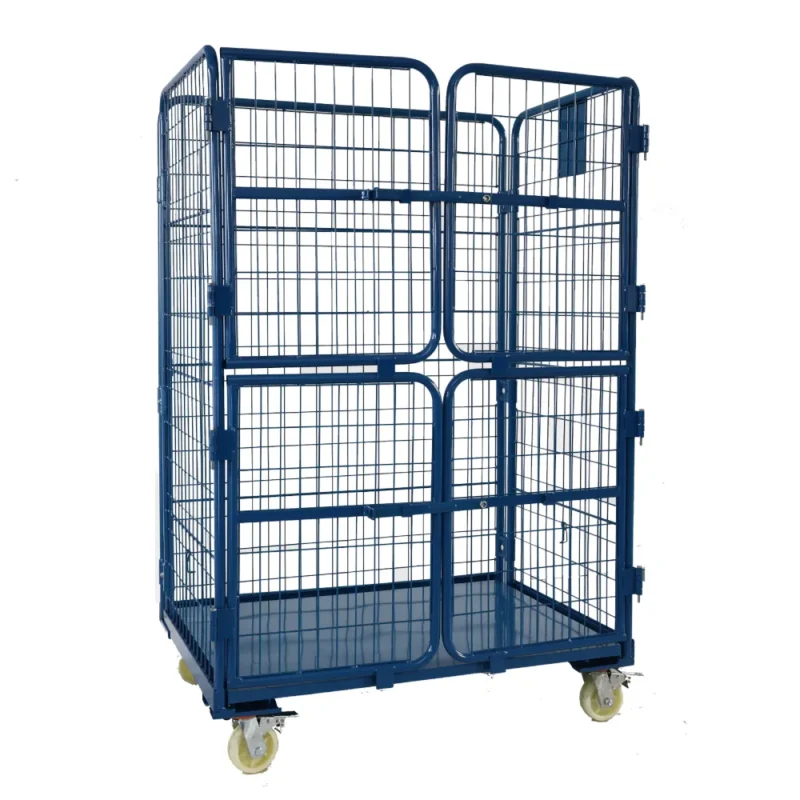
Our heavy-duty steel trolley abandons the lightweight design of household carts and is built with thickened steel tube and steel plate, combined with industrial-grade caster wheels.
Whether you are moving machine parts that weigh hundreds of kilograms or stacks of cartons, this trolley delivers stable load capacity, smooth rolling, and flexible turning.
It is one of the most cost-effective investments for improving handling efficiency and reducing the risk of workplace injury.
Key highlights: super load capacity · quiet wear-resistant casters · corrosion-resistant surface · ergonomic handle · long service life
The key to choosing a steel trolley lies in the load class and platform size.
| Item | Specification / Description | Notes |
|---|---|---|
| Product Name | Steel trolley / platform trolley / silent trolley | Steel Platform Trolley |
| Load Class | 300 kg / 500 kg / 800 kg / 1000 kg (mainstream) | Static load and dynamic load must be distinguished |
| Platform Size | 900×600 mm / 1000×700 mm / 1200×800 mm | Non-standard customization supported |
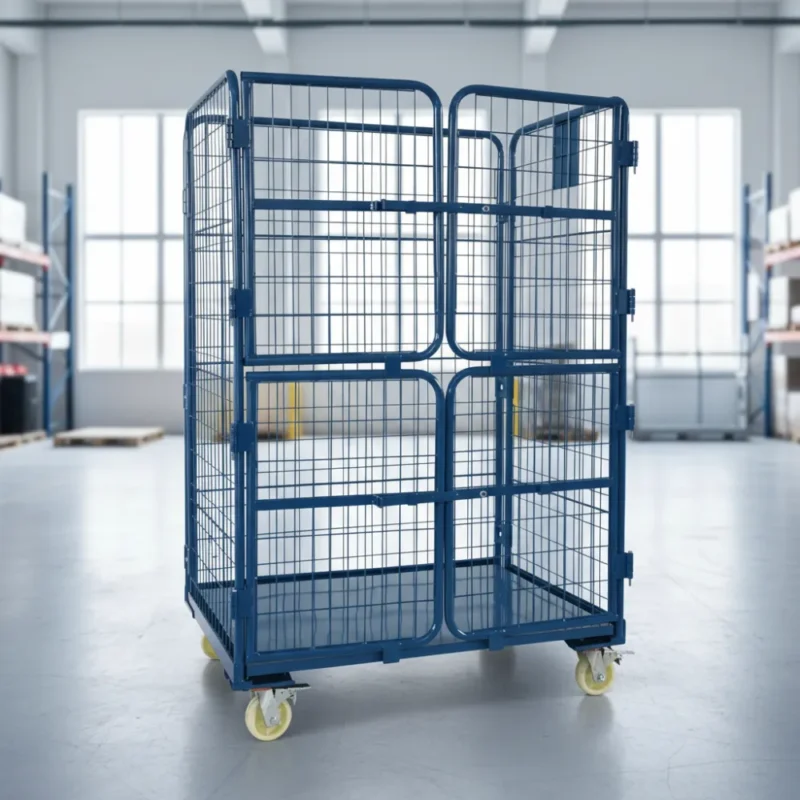
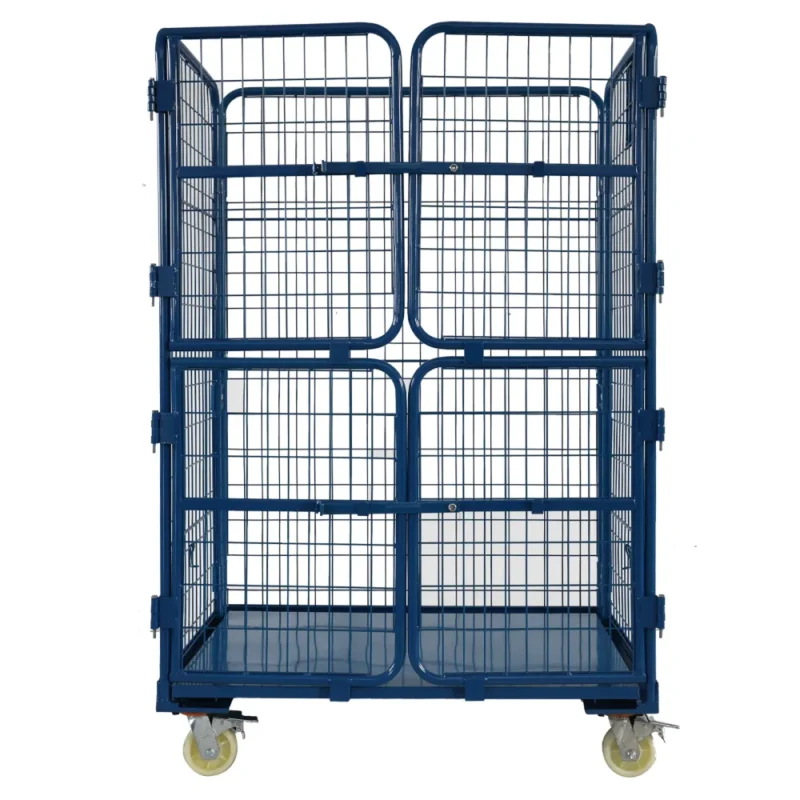
| Platform Type | Flat deck / fenced type / foldable type / multi-layer type | Fenced type prevents items from falling; foldable type saves space |
| Platform Material | Patterned steel plate (anti-slip) / stainless steel plate (food and pharmaceutical) | Thickness usually 1.5 mm to 3.0 mm |
| Handle Design | Fixed / foldable / detachable | Ergonomic, comfortable grip |
| Caster Configuration | 2 rigid casters + 2 swivel casters (standard) | Brake function available as an option |
| Caster Material | Polyurethane (PU) / natural rubber / nylon | PU casters are quiet and wear-resistant, ideal for indoor use |
| Caster Diameter | 4 in (100 mm) / 5 in (125 mm) / 6 in (150 mm) | Larger wheels offer better obstacle-crossing ability |
| Surface Treatment | Electrostatic powder coating (blue / gray / black) / chrome plating / hot-dip galvanizing | Galvanized finish is suitable for cold storage and humid environments |
| Application Scenarios | Warehouse handling, workshop transfer, logistics loading and unloading, supermarket replenishment | Indoor and outdoor flat surfaces |
The quality of a trolley is not measured by whether it can move, but by whether it still rolls smoothly after 1,000 trips.
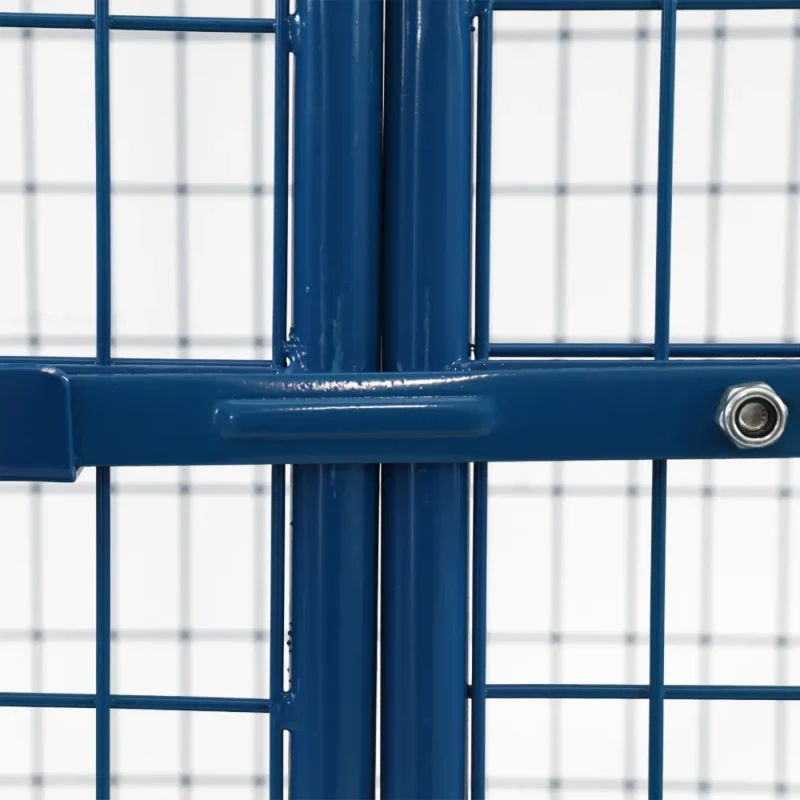
One-piece forming / welding: The platform and handle are connected with full welding to eliminate shaking. The ends of the handle are rounded or rubber-coated to prevent injury.
Anti-slip surface: The surface is pressed with anti-slip texture, ensuring goods do not slide even in wet conditions or when packages leak.
Polyurethane (PU) wheel core: The outer layer uses high-elastic wear-resistant PU, while the inner core is made of high-strength cast iron or nylon. The trolley rolls easily, runs quietly, and will not damage the floor.
Double ball bearings: The wheel axle contains precision double ball bearings for flexible rotation, no jamming, and no overheating during long-term use.
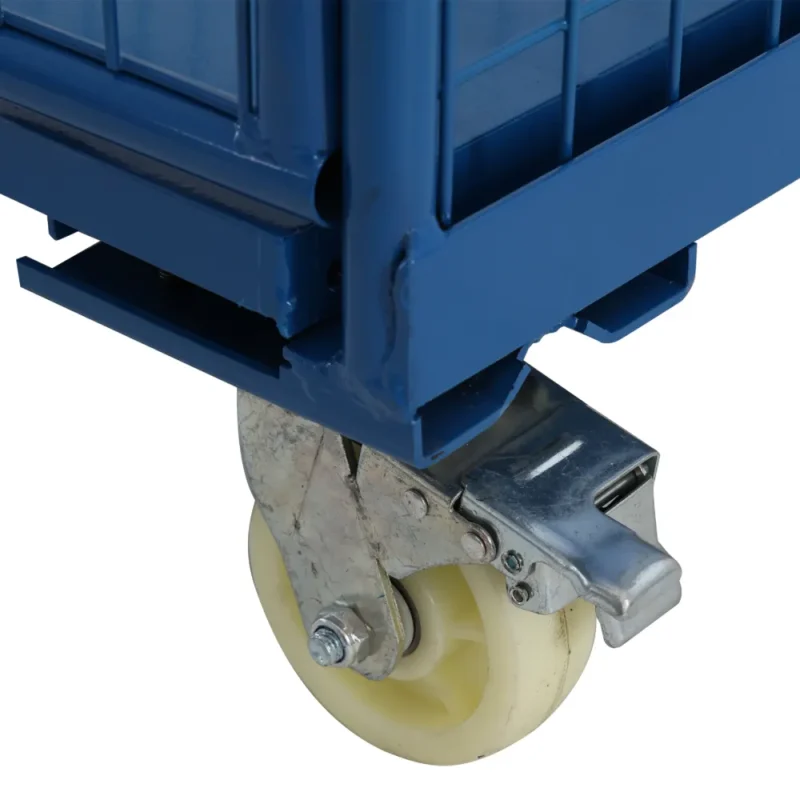
Brake device: A brake pedal can be added as an option. One step locks the wheel and prevents rolling on slopes or during loading and unloading.
Reinforcing rib grid: Cross-arranged reinforcing ribs are welded under the platform to ensure it will not sag or twist under full load.
Reinforced wheel bracket: The caster mounting plate is thickened and reinforced with triangular gusset plates to prevent bracket tearing under long-term heavy loads.
Effort-saving lever effect: Scientifically designed handle height and angle, combined with low-friction casters, allow even female workers to easily push 500 kg loads.
Floor protection: PU wheels are soft and will not leave black marks on epoxy floors like nylon wheels can.
Anti-collision safety: The handle extends beyond the front edge of the platform to act as a buffer and protect goods and walls.
Easy to clean: The full steel surface is smooth and has no dead corners, so it can be washed with water, making it suitable for food and pharmaceutical environments.
Warehouse logistics: Short-distance transfer of palletized goods, replenishment on shelves, sorting, and inventory checks.
Manufacturing: Transfer of semi-finished goods, raw materials, and molds inside the workshop.
Retail: Bulk replenishment and warehouse sorting in supermarkets and stores.
Express and postal delivery: Collection and delivery of large parcels and heavy goods.
A steel trolley is a wheeled transport cart manufactured from steel and designed for moving goods, tools, components, and inventory within industrial facilities.
Its durable structure makes it suitable for repetitive material handling operations in demanding environments.
Steel trolleys provide excellent durability, high load capacity, smooth mobility, and long-term operational reliability.
They help reduce manual carrying, improve workplace efficiency, and enhance material handling safety.
Steel trolleys are widely used in warehouses, manufacturing plants, logistics hubs, automotive facilities, retail distribution centers, e-commerce fulfillment warehouses, and industrial workshops.
Their versatility makes them suitable for almost any material handling application.
Steel trolleys can transport cartons, spare parts, industrial tools, machinery components, finished products, warehouse inventory, and packaged goods.
Different trolley configurations can be designed for specific operational requirements.
Load capacity varies depending on frame construction, platform dimensions, wheel specifications, and intended use.
Industrial steel trolleys can be designed for light-duty, medium-duty, or heavy-duty applications.
Yes. Steel trolleys can be customized with various platform sizes, shelf levels, wheel types, handles, safety rails, and load capacities.
Custom designs help improve efficiency for specific workflows.
Common wheel options include polyurethane wheels, nylon wheels, rubber wheels, and industrial caster wheels.
The selection depends on floor conditions, load requirements, and operational environments.
Yes. Warehouses commonly use steel trolleys for inventory movement, picking operations, replenishment activities, and internal logistics transportation.
They improve productivity while reducing employee fatigue.
Yes. Manufacturing facilities use steel trolleys to move raw materials, components, work-in-progress items, and finished products between production areas.
They support lean manufacturing and efficient workflow management.
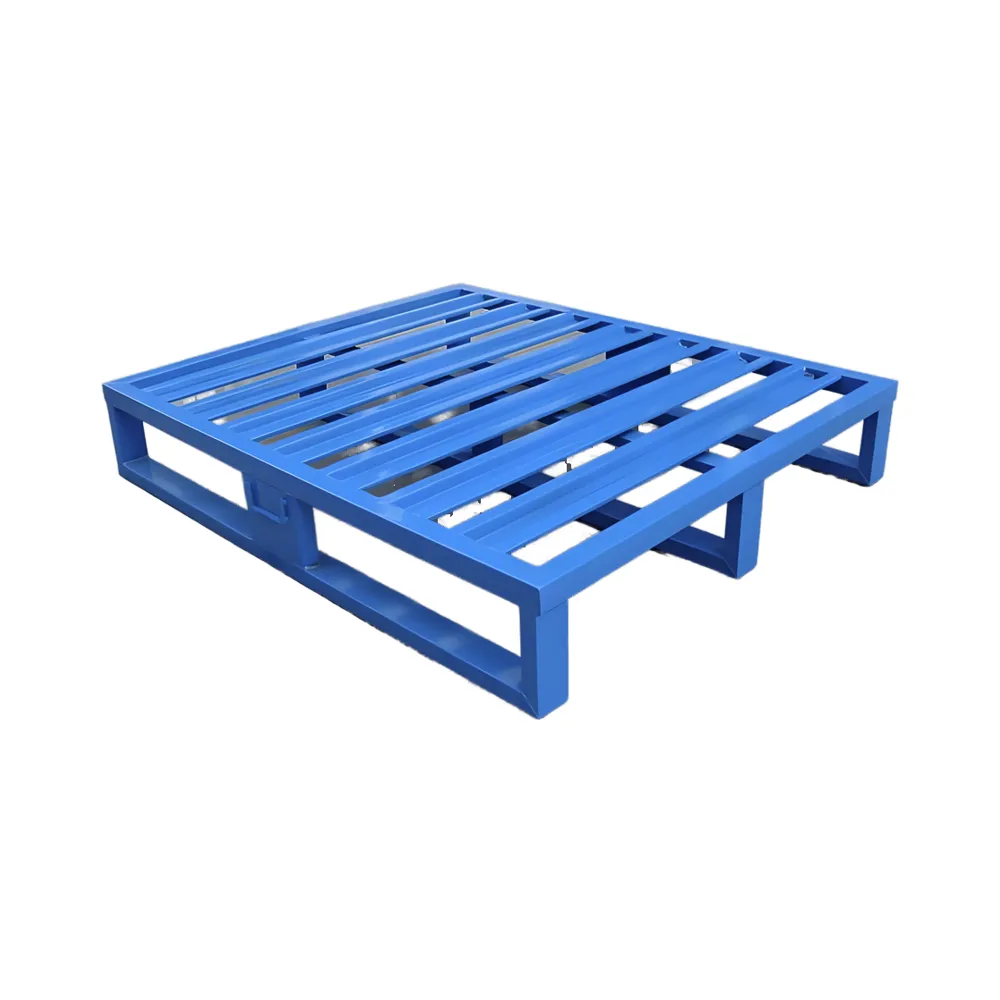
A steel trolley is designed for mobility and transportation, while a steel pallet serves as a stationary storage platform that can be handled by forklifts.
Each serves a different function within warehouse and logistics operations.
A properly manufactured steel trolley can remain in service for more than 10–15 years under normal industrial operating conditions.
Routine maintenance and wheel inspections help maximize service life.
The cost depends on trolley dimensions, load capacity, wheel configuration, steel grade, surface finish, and customization requirements.
Most industrial trolley projects are quoted according to specific operational and handling needs.