Điện thoại:
(86)138-1388-1779
Địa chỉ thực:
6296 Donnelly Plaza
Ratkeville, Bahamas.
Điện thoại:
(86)138-1388-1779
Địa chỉ thực:
6296 Donnelly Plaza
Ratkeville, Bahamas.
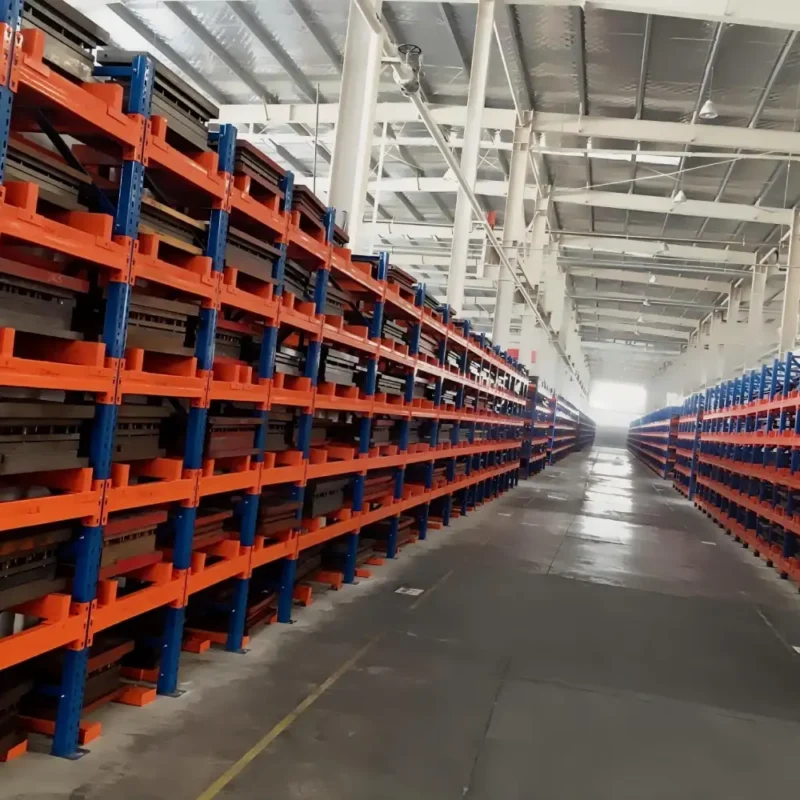
Store 2 to 5 pallets deep per lane and cut aisle space against selective racking
Load and unload from one aisle so forklifts travel less and cycle faster
Every lane stays independent, giving better selectivity than drive in racking
Gravity does the work: no motors, no controls, no power supply needed
Cold storage ready, with galvanized finish options for freezer environments
Factory direct engineering with 2D and 3D layout drawings before production
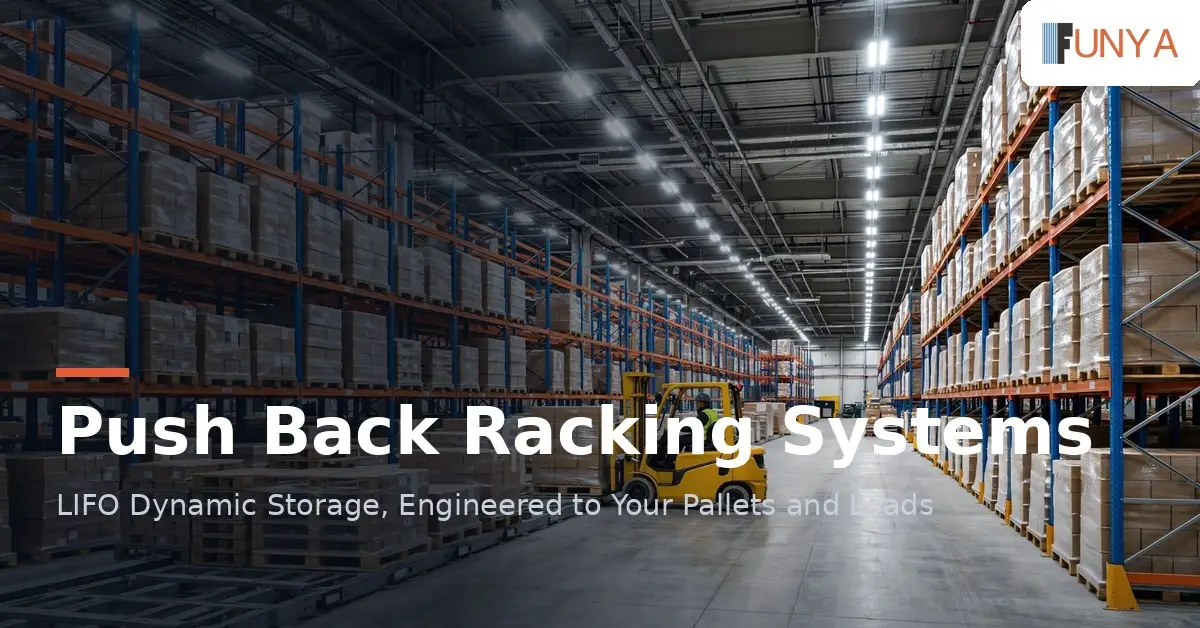
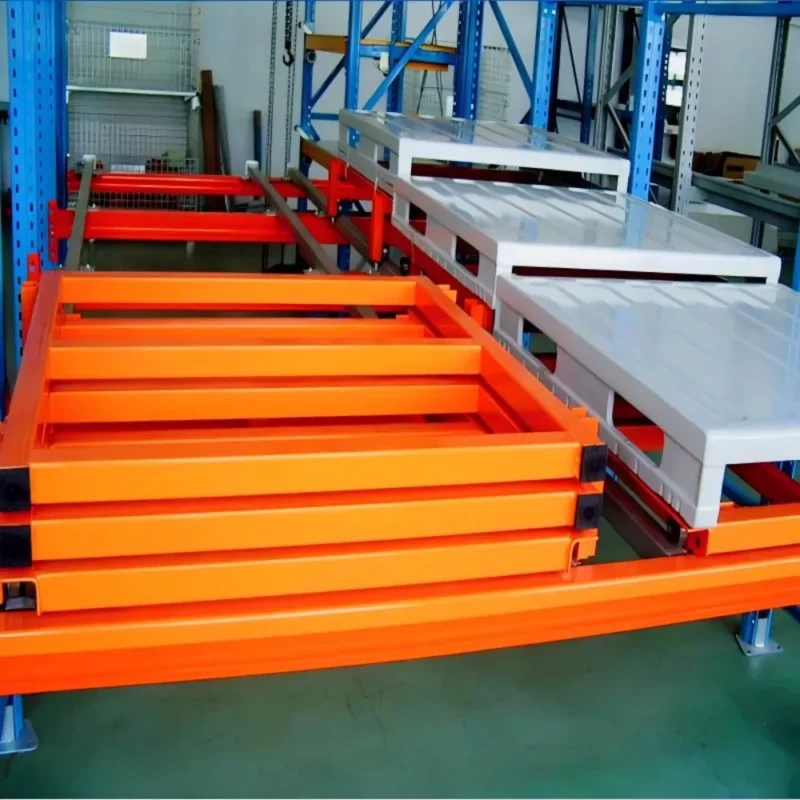
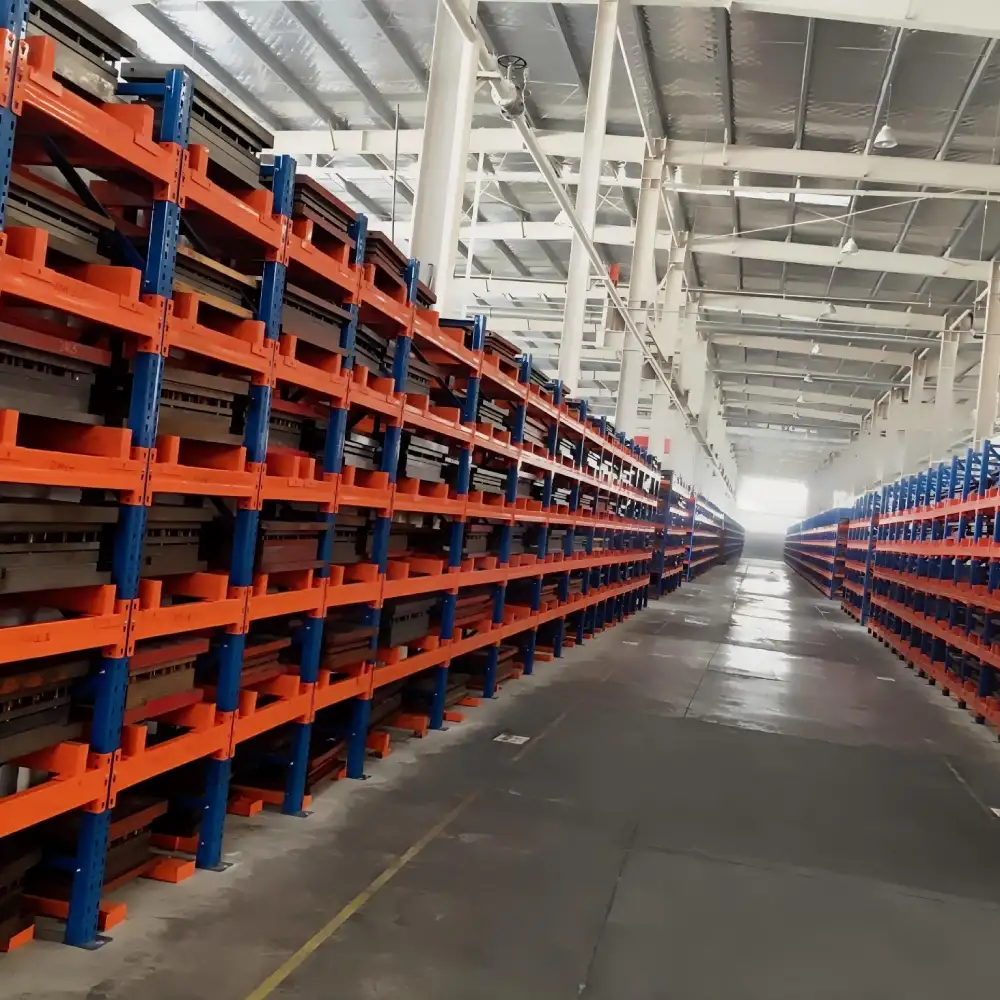
Push back racking is a high density pallet storage system that stores 2 to 5 pallets deep in each lane on carts riding inclined rails. The forklift works only from the front aisle. Each new pallet pushes the earlier pallets back, and when the front pallet is removed, gravity rolls the next one forward. It gives warehouses density without the forklift entering the rack. FunYa engineers every system to your pallet size and loads.
Key benefits:
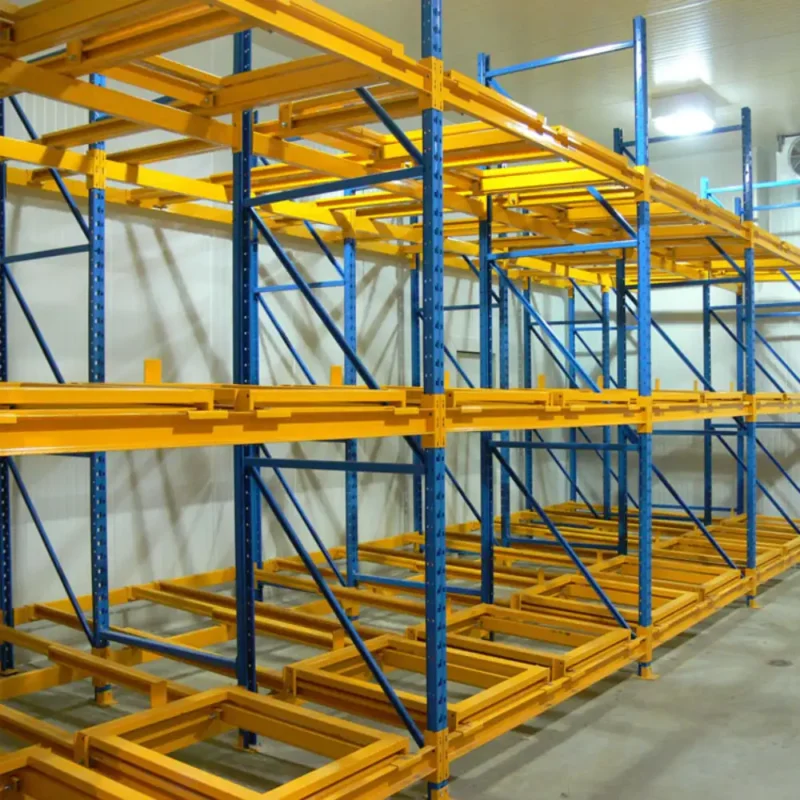
Push back racking is a dynamic pallet storage system in which pallets rest on nested carts that roll along rails set at a slight incline. The forklift loads from the front aisle only. The first pallet goes onto the top cart, the second pallet pushes that cart back up the incline, and the process repeats until the lane is full. When the front pallet is picked, gravity pulls the remaining carts forward so the next pallet presents itself at the pick face.
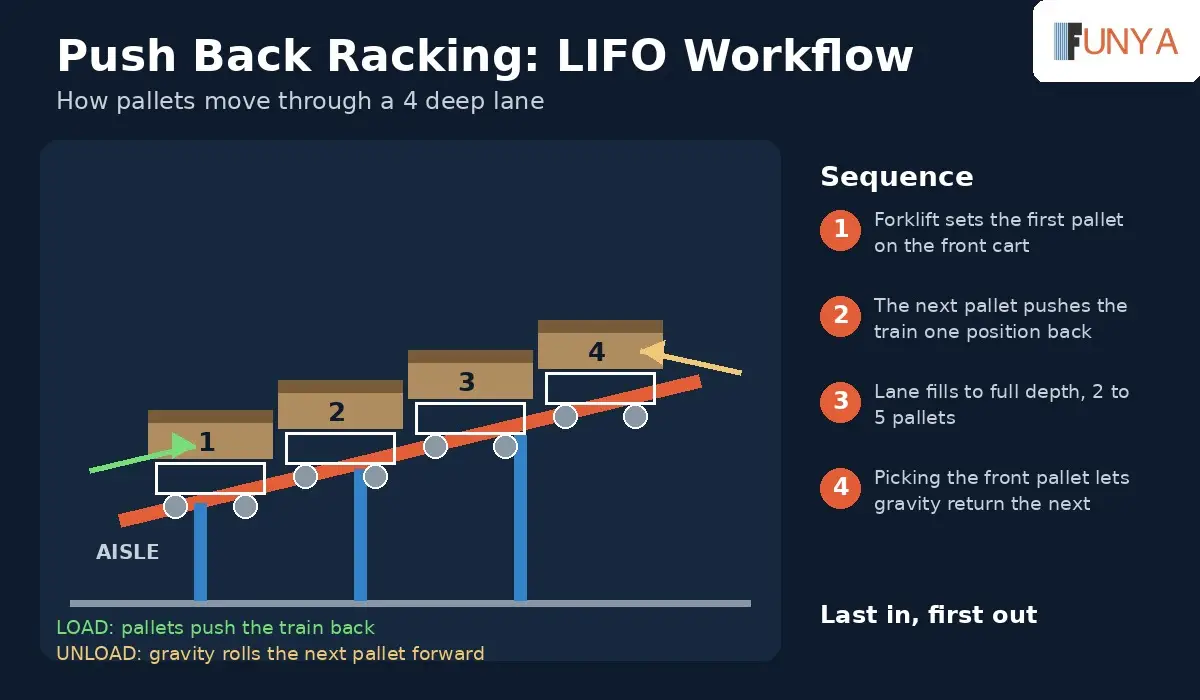
The last pallet stored is always the first one retrieved, which makes push back racking a LIFO system: last in, first out. Our push back racking category shows the range FunYa builds.
Loading starts at the aisle. The forklift sets the first pallet on the front cart. The next pallet is driven against the first one and pushes the whole nested cart train one position deeper. Each additional pallet pushes the train further back until the lane holds its full depth. Unloading reverses the flow: the forklift takes the front pallet, the carts roll forward on the incline, and the next pallet arrives at the aisle ready for picking.
Each lane holds one rail pair per level, inclined about 3 degrees toward the aisle. The carts nest inside each other like telescoping frames, each riding on steel wheels. The top cart carries the front pallet position, and every cart behind it carries one deeper position.
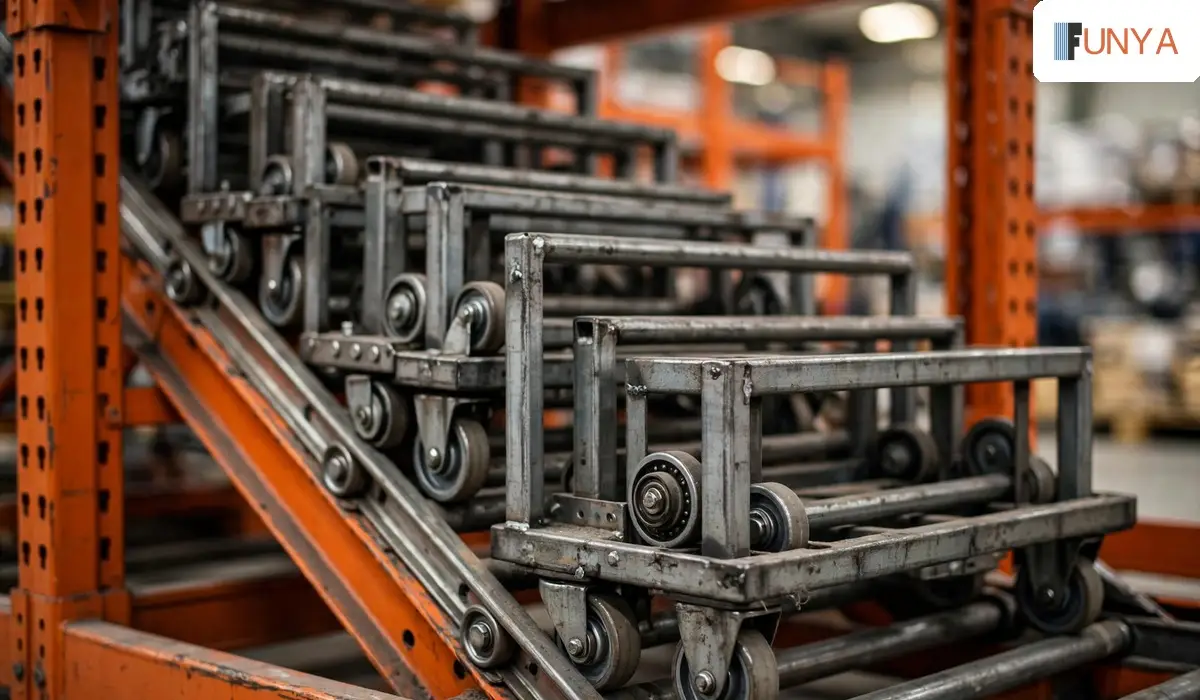
The cart train is the heart of the system. Each cart is a welded steel frame on wheels, sized to carry one pallet, and the carts nest so the whole train collapses to the front of the lane when empty. See the mechanism on our push back pallet racking product page.
Structural tube rails give a clean enclosed running surface that sheds debris. I beam rails suit heavier pallet loads with their deep section. C channel rails offer an economical option for lighter duty lanes.
Unlike drive in racking, where deep lanes bury pallets behind each other, push back racking gives every lane its own pick face at the aisle.
Every putaway and every pick happens from the front aisle. Forklifts never enter the structure, which removes the most common cause of rack damage in deep lane systems. Aisles stay clear and operators work faster because every pallet comes to them.
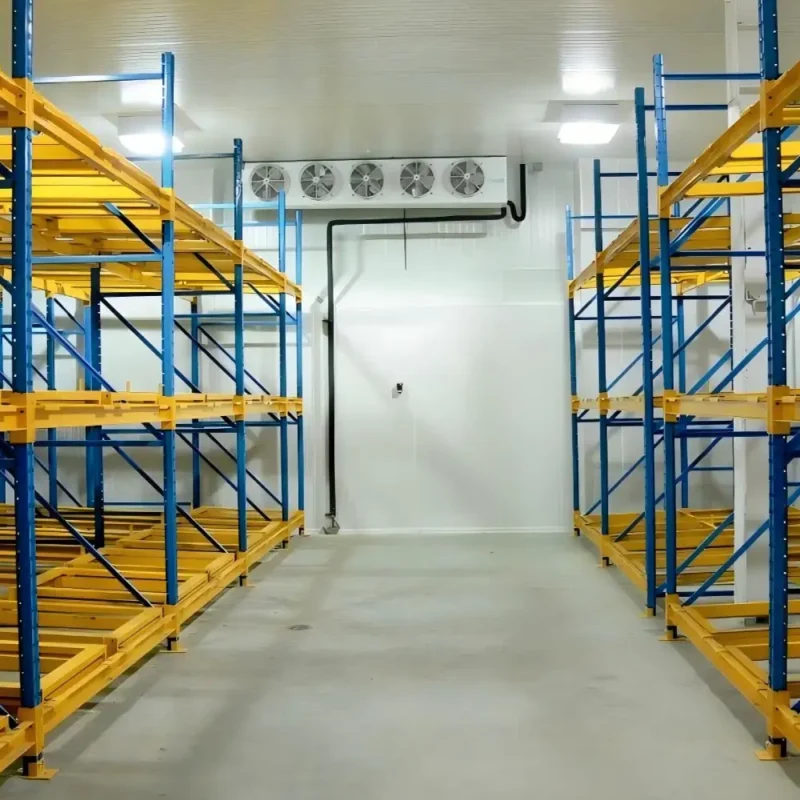
Push back racking earns its place in freezers. High density shrinks the refrigerated footprint. The single aisle layout limits door openings and keeps forklift traffic out of the cold zone. For freezer builds FunYa specifies hot dip galvanized finishes against condensation and confirms low temperature steel with the engineering team.
Food and beverage distribution. Dated stock with medium SKU counts fits the LIFO flow well.
Kho lạnh và kho đông lạnh. Density cuts refrigerated volume, and the gravity mechanism works reliably at low temperatures with no powered parts to fail.
Retail distribution centers.
Kho lưu trữ đệm sản xuất. Work in progress and raw materials sit close to the line in deep lanes, with forklifts cycling from a single aisle.
3PL and contract logistics.
Building materials and hardware.
| Mục | Thông số kỹ thuật |
| System type | Push back pallet racking, LIFO (last in, first out) |
| Storage depth | 2 to 5 pallets per lane, per layout |
| Rail incline | Approximately 3 degrees toward the aisle, per design |
| Carts per lane | One nested cart per depth position |
| Pallet load | Typically 500 to 1,500 kg per pallet; engineered per project |
| Rail profiles | Structural tube, I beam, or C channel, per pallet weight |
| Material | Cold rolled steel, grade confirmed per project |
| Frame finish | Powder coating standard; hot dip galvanizing for humid, outdoor, or freezer use |
| Phụ kiện an toàn | Beam locks, upright protectors, aisle end guards, per layout |
| Design input | 2D and 3D layout drawings with load review before production |
Depth is the first decision. Two deep suits operations that want a small density gain with minimal equipment cost. Three and four deep are the most common, balancing density against cart cost per position. Five deep maximizes the footprint for SKUs with high pallets per SKU.
Light pallets run well on C channel rails with standard carts. Medium and heavy pallets move to structural tube or I beam rails with reinforced carts and heavier wheels. The engineering team matches the running gear to your maximum pallet weight, so the carts roll smoothly for years instead of wearing prematurely.
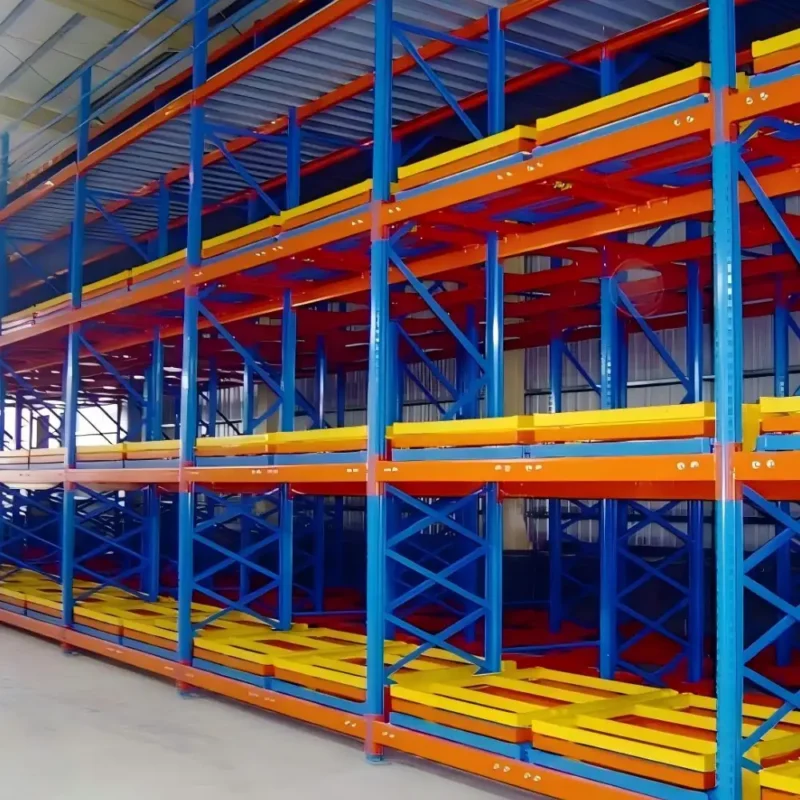
Ambient warehouses use the standard powder coated finish in blue and orange, with custom RAL colors available. Humid sites, food plants with washdown, and outdoor covered storage call for hot dip galvanizing. Freezer builds combine galvanizing with low temperature steel confirmed during engineering.
Density without entering the rack. Push back racking stores up to five pallets deep while the forklift never leaves the aisle.
Selectivity that drive in cannot match. Every lane has its own pick face, so any SKU is reachable without digging.
Faster cycles, less damage. Cycle times drop and the rack structure avoids the constant impacts of drive in operation.
No power, no controls, no maintenance contracts. Gravity moves the pallets. There is nothing to wire, program, or service on a schedule, which keeps lifetime operating cost low.
A step toward automation without the leap. Warehouses that are not ready for shuttle or AS/RS investment gain serious density with a purely mechanical system that operators learn in a day.
Push back racking is a LIFO system, so start with the honest question: does your stock tolerate last in, first out? If you need strict first in, first out rotation for expiry dated goods, kệ pallet dòng chảy trọng lực gives true FIFO on inclined roller lanes and is the better fit. If most SKUs hold only one or two pallets, selective racking gives full access at lower cost per position than deep lanes ever will.
Pallet quality matters more here than in selective racking. Carts ride on pallet bottom boards, so broken boards, missing blocks, or inconsistent pallet sizes cause poor tracking and jams. Standardize on sound pallets, preferably a single footprint per lane, before committing to push back.
Match lane depth to pallets per SKU. A five deep lane holding two pallets wastes three cart positions. Count pallets per SKU across your inventory: lanes perform best when one SKU fills most of a lane. Mixed SKU lanes defeat the density purpose.
Plan forklift push force. Loading the second and deeper pallets means pushing the cart train up the incline. Confirm with the engineering team that your forklifts have the capacity and traction for the deepest lanes at maximum pallet weight, especially on polished freezer floors.
Compare the density alternative. If your operation can accept the forklift entering the rack and needs the lowest cost per position in very deep lanes, double wide drive in pallet racking stores deeper for less. Push back racking earns its premium through selectivity, speed, and damage reduction.
FunYa manufactures every push back system in its own 15,000 square meter production base in Nanjing, with six workshops covering cold rolling, cutting, stamping, welding, automated coating, and finished goods storage.
Every project starts with engineering. Share your pallet size, maximum pallet weight, SKU profile, and warehouse dimensions, and the team returns 2D and 3D CAD layout drawings with a load review before production. Installation guidance ships with every order, and the support team stays available after handover for spare carts, wheels, and rails. Talk to a racking specialist about your push back project.
Pallets sit on nested carts that ride on rails inclined about 3 degrees. The forklift places the first pallet on the top cart, and each following pallet pushes the earlier ones back up the incline. When the front pallet is removed, gravity rolls the next cart forward to the pick face.
Loading and unloading both happen from the same front aisle, so the forklift never enters the rack. The last pallet stored is the first one retrieved, which makes the system LIFO.
In push back racking the forklift stays in the aisle and pallets move on carts, while in drive in racking the forklift drives into the lane itself. Push back gives every lane its own pick face, so selectivity is far better.
Drive in racking can store deeper lanes at lower cost per position, but the forklift inside the structure slows cycles and risks more rack damage. Choose push back when you need density plus reasonable selectivity and faster stock rotation per lane.
Standard configurations run 2 to 5 pallets deep per lane. Each added depth position needs its own nested cart, so deeper lanes cost more per position.
Most warehouses settle on 3 or 4 deep as the balance between density gain and equipment cost. The right depth depends on pallets per SKU: lanes work best when one SKU fills most of a lane.
Yes. Push back racking suits cold storage well because high density cuts the refrigerated footprint, and the single aisle layout limits door openings and forklift traffic inside the cold zone.
Specify hot dip galvanized finishes for condensation resistance and confirm low temperature steel with the engineering team. Share your operating temperature in the RFQ so the materials are specified correctly.
Send your details by WhatsApp at +86 13357805048 or email [email protected]. The team responds with 2D and 3D drawings and a project quotation, so your push back racking arrives engineered for your operation.